The extraordinary lies in authenticity.



A Home That Feels Like Home: Is Mid-Century Making a Comeback?
Vitória Estrioli
7/1/20263 min read


For years, the way we imagined our homes was shaped by images of pristine, untouched interiors. Everything seemed to exist somewhere between gray and white, stripped of the warmth and personalization that had always been part of our lives: photographs, collections, objects that felt uniquely ours.
But moving against that current, architecture and design are now embracing a return to the “home that feels like home.” Homes, spaces, and works of art that embrace imperfection, bring memories back into the picture, and celebrate authenticity. Aesthetics are no longer defined solely by straight lines and neutral colors. They are becoming connected to emotion, comfort, and the identity of the people who inhabit these spaces.
So, what does this have to do with human behavior?
The Zeitgeist: Human Behavior as a Driver of Aesthetics
Design and architecture have always reflected the way people live, think, and feel. If the 2010s were dominated by minimalism and gray interiors, partly in response to digital acceleration and a growing desire for control, today we are seeing a renewed longing for calm, belonging, and nostalgia.
The home is once again becoming the place where real life happens: family lunches, a well-worn sofa, shelves filled with books, objects, and memories. This more human approach values not only what is new, but also what carries a story.
Mid-Century Modern and Its Connection to the Present
To understand its comeback, we first need to look at where it came from. Mid-century modern emerged in the post-World War II era, when society was driven by reconstruction, optimism, and a desire for greater accessibility.
Industrial production made furniture more democratic, without sacrificing elegance. Clean lines, organic forms, and materials such as wood, metal, and glass created an aesthetic that was functional and practical, yet warm and inviting. It was perfectly suited to a generation eager to leave the weight of war behind and imagine a lighter future.
The Contemporary Revival
Today, that legacy finds itself in a completely different context: a generation saturated with the coldness of minimalism and craving a stronger sense of identity, particularly in the post-pandemic era. Mid-century design is returning in an updated form, while retaining its core principles of functionality and warmth.
Contemporary names such as Jaime Hayon have reinterpreted modernism through a more playful and emotional lens, introducing curves, vibrant colors, and a more human approach to furniture design. Designers such as Ilse Crawford, meanwhile, emphasize sensory comfort and the relationship between space and well-being, bringing these principles even closer to the realities of contemporary life.
Architecture and Design Today
The revival of mid-century design is not about literal reproduction. It is about contemporary reinterpretation.
Combining iconic pieces by Charles & Ray Eames or Hans Wegner with contemporary furniture has become increasingly common, creating interiors where history enters into dialogue with the present.
This hybrid approach reinforces a powerful idea: the future of design does not lie in pursuing novelty at all costs, but in creating a dialogue between memory and innovation.
Our Perspective
Trends are not merely aesthetic. They are responses to human behavior.
Understanding these shifts is essential to building brand narratives, architectural projects, and experiences that genuinely connect with people. Whether in retail, interior design, or communication, our perspective is always attuned to what is happening in culture and how it shapes the way people live.
The return of the “home that feels like home” and the revival of mid-century design are just two expressions of a moment in which authenticity has become one of our most valuable assets.
More than a stylistic shift, this cultural movement reveals a collective desire: to live in spaces that tell our story again.
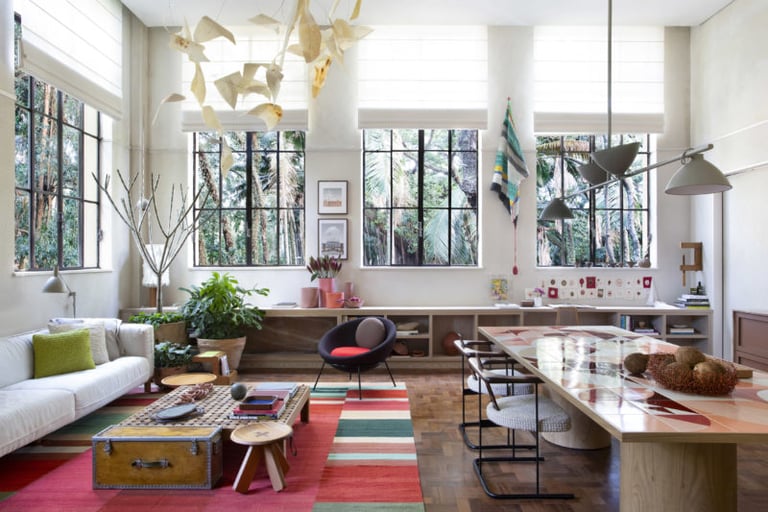
Projeto de Paula Neder para Casa Cor
Fotógrafo: Denilson Machado | MCA Estúdio
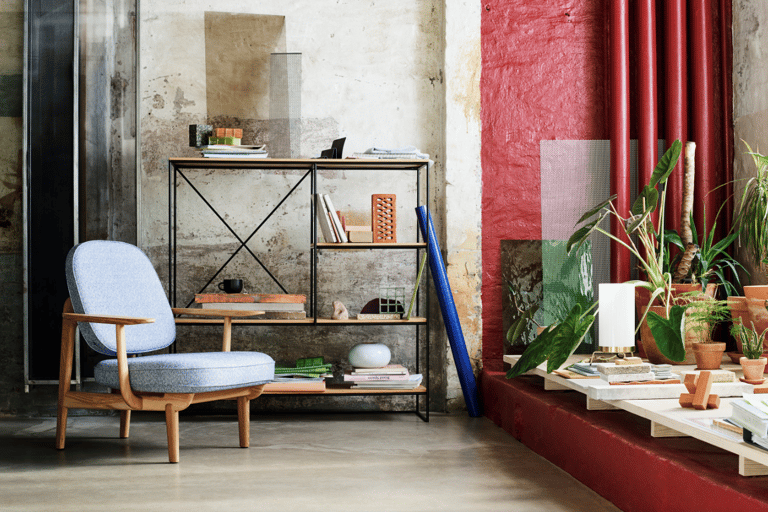
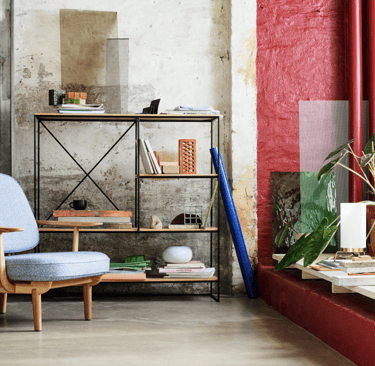
Fritz Hansen Lounge Chair JH97
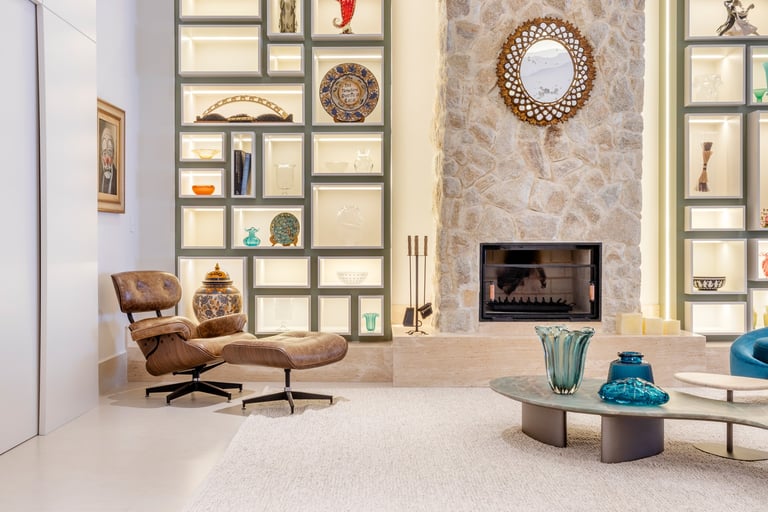
Projeto contemporâneo feito por Santoro Arquitetura
Fotografia: Zeh Castedo